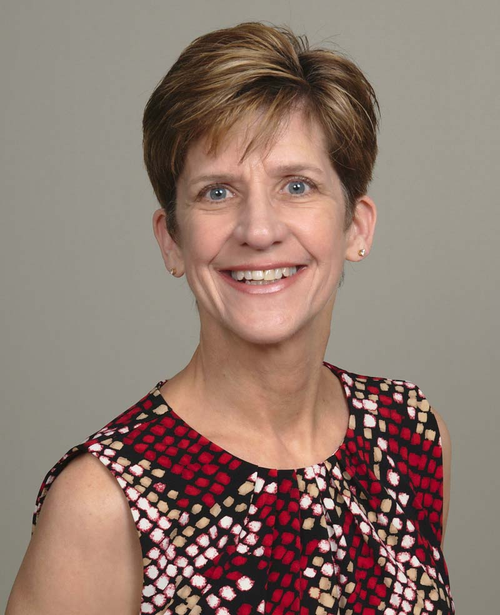
I Exercised My Entire Life. Then I Was Diagnosed with Osteopenia.
Last Updated: July 16, 2026
I have spent my entire career helping people exercise. I earned a master's degree in Exercise Physiology, have taught countless fitness classes, and have always considered myself an active person.
So imagine my surprise when I was diagnosed with osteopenia.
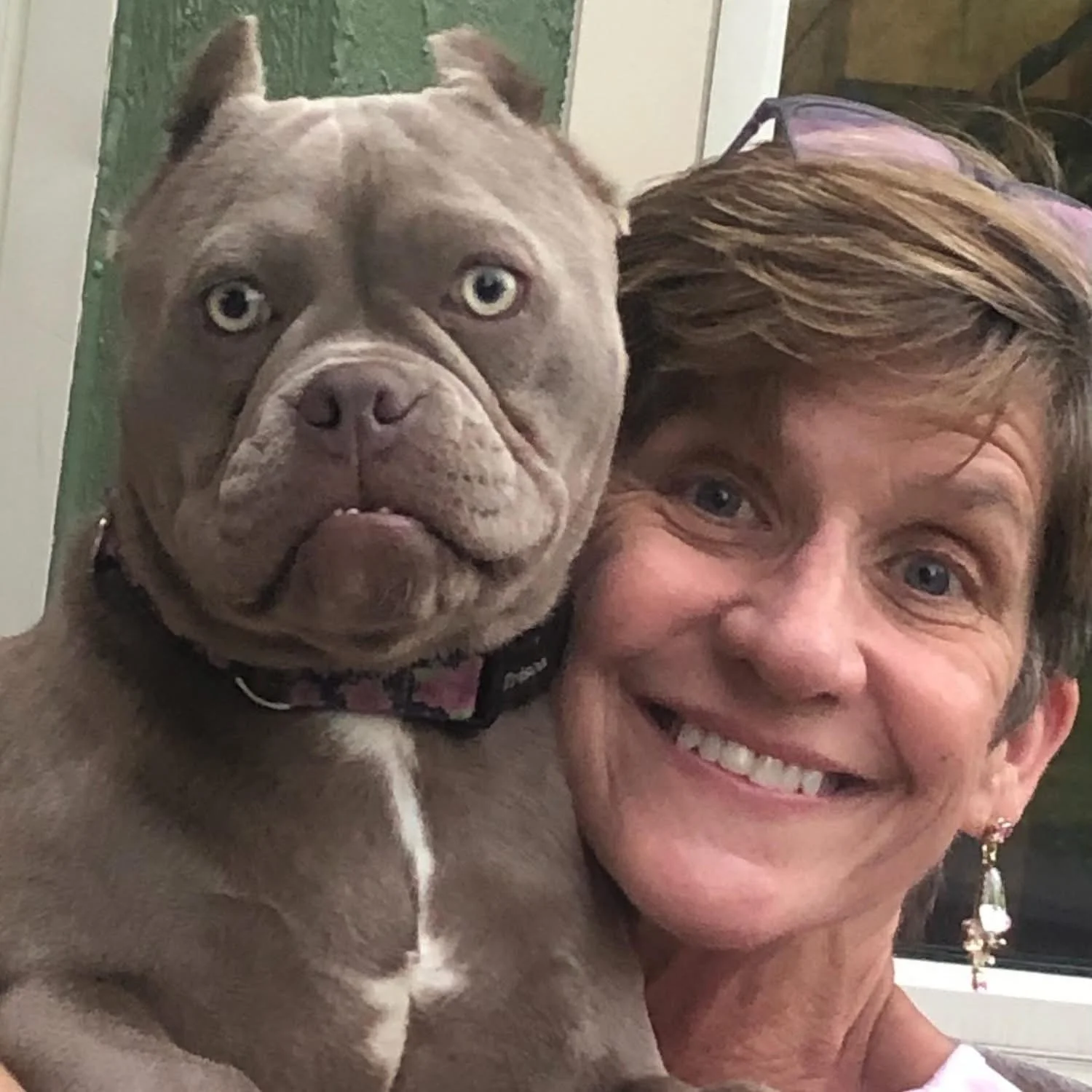
Meet Bettye Ellison, MS
Bettye shares her story with exercise & bone health, and how her education, diagnosis, and BoneFit training have helped shape Bone-IQ.
Growing up, I watched my parents struggle with the consequences of unhealthy lifestyle choices. They smoked, were sedentary, didn't eat particularly well, and drank more alcohol than they should have. My own version of rebellion was choosing a career devoted to health and fitness. I exercised faithfully for decades and assumed I was doing everything possible to protect my health.
Then life reminded me that health isn't always that simple.
In my late 40s, I was diagnosed with a very treatable form of breast cancer, the same age my mother had been diagnosed years earlier. One of the medications I took as part of my treatment lowers estrogen levels, which can increase the risk of bone loss. Because of that, my oncologist closely monitored my bone health with regular DEXA scans and vitamin D testing.
Everything looked good for several years until one scan showed I had developed osteopenia, the "yellow light" before osteoporosis.
During one appointment, my physician told me, "You need to start exercising."
I'll admit my first reaction wasn't very charitable. I had been exercising almost every day of my adult life! But after I thought about it, I realized something important.
I had spent years exercising primarily to burn calories, improve my cardiovascular fitness, and stay thin. Running, aerobics classes, cardio machines. You name it. What I hadn't done consistently was the kind of progressive strength training and impact exercise that bones need to stay strong.
That realization changed everything.
I also realized I had several risk factors working against me:
A family history of osteoporosis
A small body frame
Postmenopausal
Ten years of estrogen-suppressing medication following breast cancer treatment
“As I began researching bone health, I quickly became frustrated. The internet was full of conflicting advice. One article would promote a supplement as the answer to stronger bones, only for me to discover the study was funded by the company selling the product.”
I wanted evidence, not marketing.
That's when I discovered BoneFit™ training program through the Bone Health and Osteoporosis Foundation. The course complemented my background in Exercise Physiology and was built on years of scientific research about safe and effective exercise for people with low bone density.
The training completely changed how I think about exercise and bone health. More importantly, it gave me the knowledge and confidence to help my clients, and myself, exercise in ways that actually strengthen bones while reducing the risk of fractures.
I've learned that bone health isn't determined by one thing. Genetics matter. Hormones matter. Nutrition matters. Medications can matter. Exercise matters too. But, not just any exercise.
Walking, running, and other aerobic activities are wonderful for your heart and overall health, but maintaining healthy bones requires strength training, balance exercises, and appropriately prescribed weight-bearing and impact activities.
Every person's situation is different, and treatment decisions should always be made with a healthcare provider. But one thing is becoming increasingly clear: for many people with osteopenia or osteoporosis, exercise isn't simply a recommendation, it's part of the treatment.
Looking back, I thought I knew what it meant to be fit. My bone health journey taught me that being healthy isn't just about staying active. It's about doing the right kind of exercise for the body you have today and the body you want to have twenty years from now.
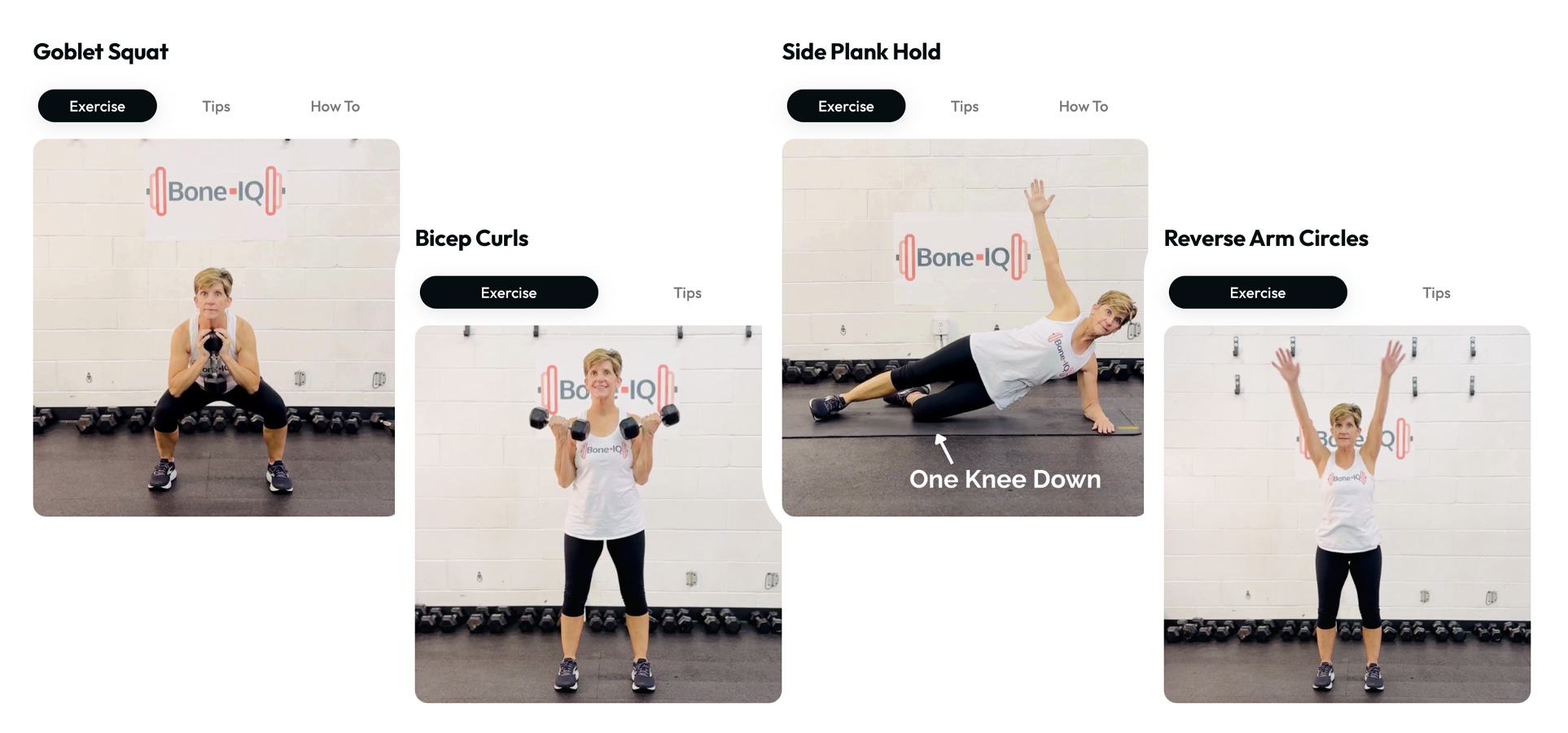
Bettye leads every exercise featured in the Bone-IQ app, bringing both personal experience and specialized BoneFit certification to every workout. Her guidance is grounded in safe, evidence-based movement designed specifically for people with osteopenia and osteoporosis. If you have questions along the way, Bettye and the Bone-IQ team are available to support you through the app or by email.
Frequently Asked Questions
-
Osteoporosis is a disease that causes bones to become weak, porous, and more likely to break. It’s often called a “silent disease” because it develops gradually over time and often goes unnoticed until a fracture occurs.
-
Osteopenia is a condition where bone mineral density is lower than normal but not low enough to be classified as osteoporosis. It is often an early warning sign that your bones are becoming weaker and more susceptible to fractures.
-
Yes. Regular exercise significantly benefits bone health, but it doesn’t eliminate your risk of developing osteopenia or osteoporosis. Factors such as age, menopause, genetics, nutrition, medications, and certain medical conditions all influence bone density.
-
BoneFit is a specialized exercise education program developed by Osteoporosis Canada and offered by BHOF (Bone Health & Osteoporosis Foundation) in the US. It trains healthcare and fitness professionals to safely prescribe exercise for people with osteoporosis and osteopenia.
-
Research consistently supports progressive strength training as one of the most effective forms of exercise for bone health. Depending on your ability and medical history, a bone health program may also include impact exercises, balance training, and posture exercises.
-
A diagnosis of osteopenia is an opportunity to take action before significant bone loss occurs. Speak with your healthcare provider about nutrition, medications when appropriate, and beginning a strength training program.