1 in 3 women over age 50 will experience osteoporotic fractures
— International Osteoporosis Foundation
Bone mass declines by 0.5% per year after the age of 40 regardless of sex or ethnicity
— American College of Sports Medicine

Stop guessing. Start building strength safely.
Built for women with osteoporosis & osteopenia.
The Evidence: Strength Training
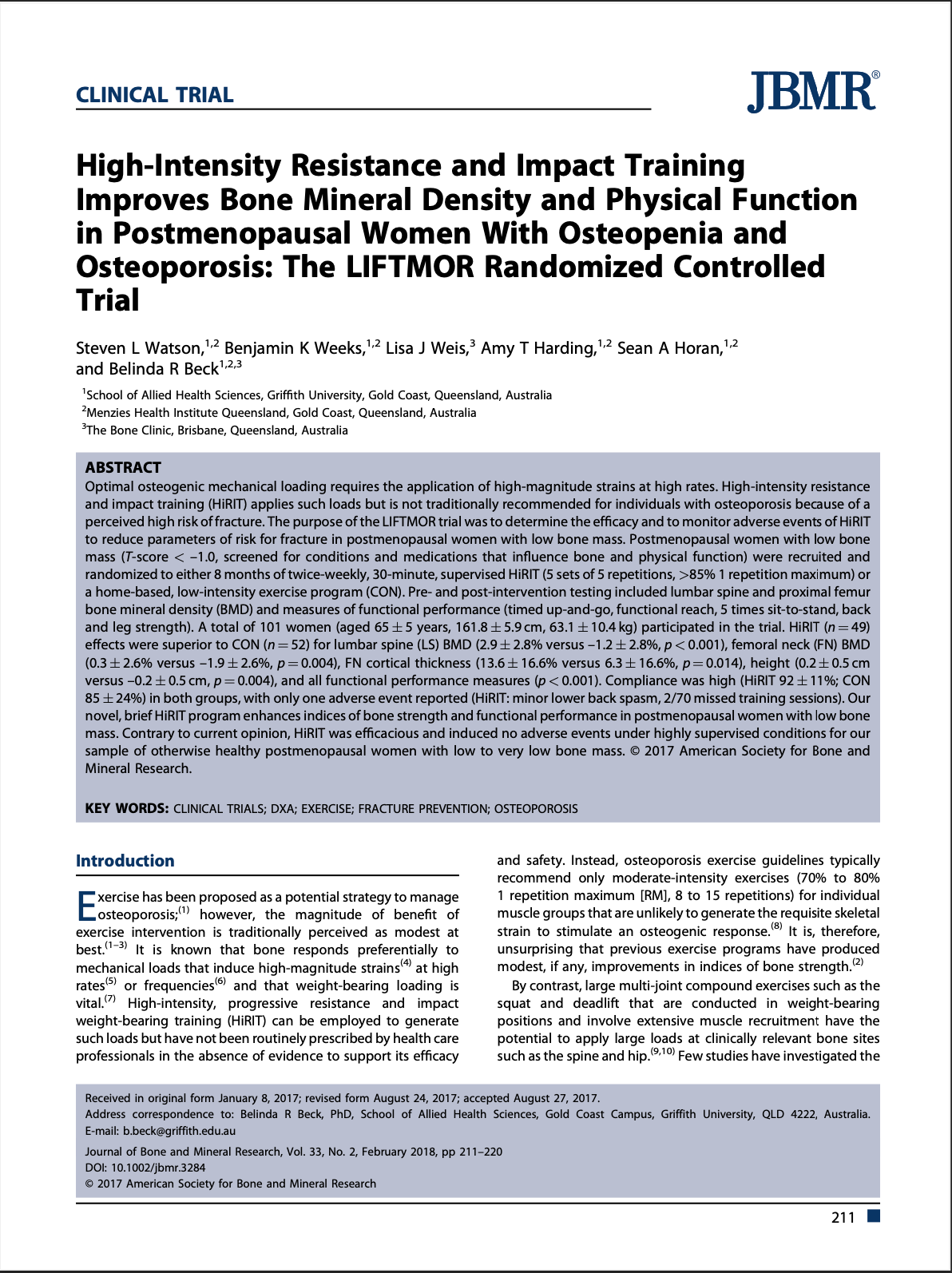
Title: The LIFTMOR Trial
Type: Randomized Controlled Trial
Who: Postmenopausal Women Age 58 to 75
Size: 101 Participants
Time: 8 months
High-Intensity Strength & Impact
Strength Program:
2 Sessions per Week
Squat, Deadlift, Press, and Jumping
Weight at 85% of 1 rep max
Resulted in average 2.9% increase in bone mineral density at lumbar spine
VS.
Low-Intensity Training
Control Program:
5 Sessions per Week
Low-Intensity, Bodyweight Training
Balance Training
Resulted in no change or slight decline in bone mineral density
Key Takeaway:
Strength Training is Safe & Effective for Increasing Bone Mineral Density (BMD)
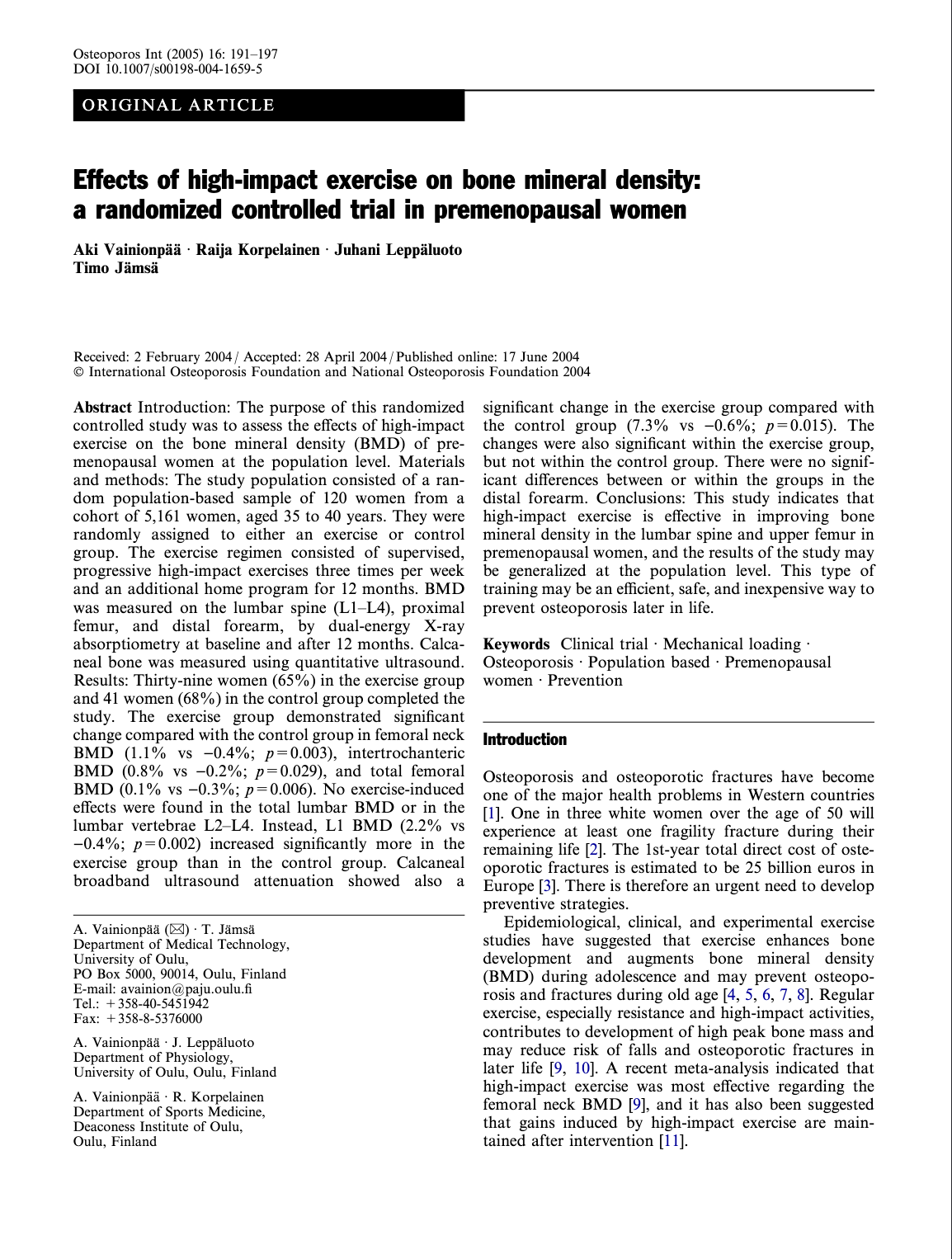
Title: Effects of high-impact exercise on bone mineral density (Vainionpää et al)
Type: Randomized Controlled Trial
Who: Premenopausal Women Aged 35-40
Size: 120 Participants
Time: 1.5 years
The Evidence: Jumping
Test Group
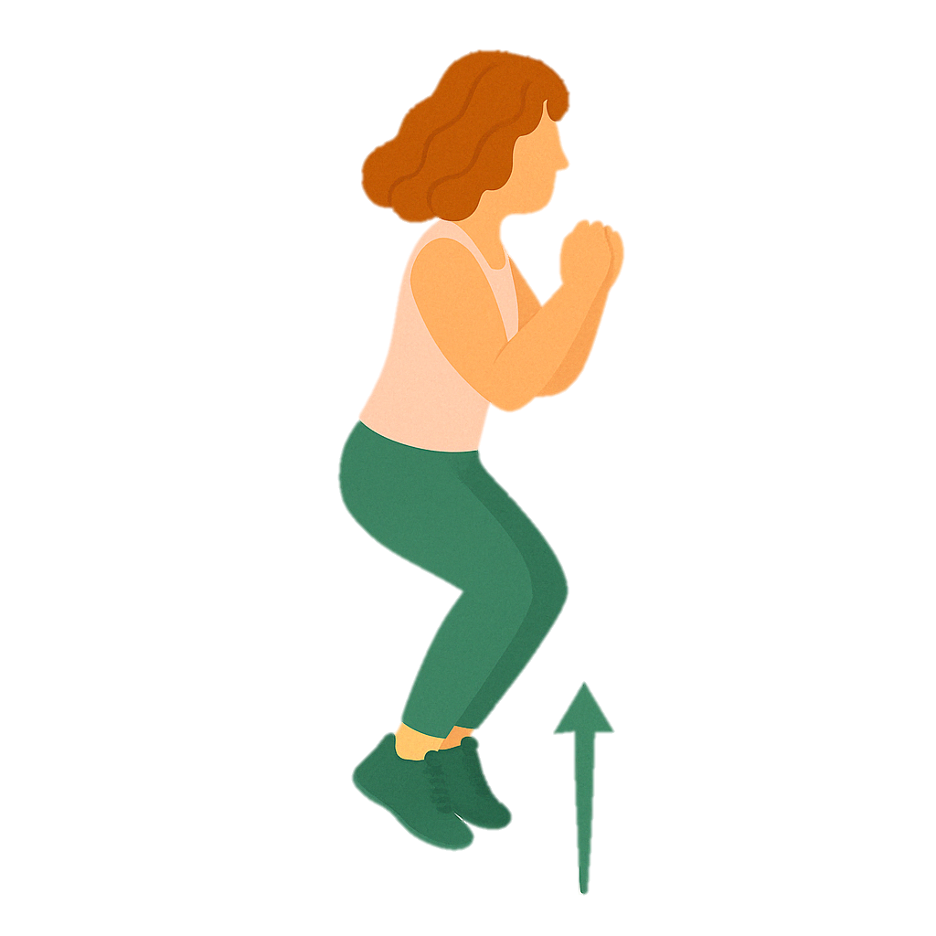
Jumping Program:
30-40 Jumps per Session
3 Sessions Per Week
Averaged 1.1% increase in bone density at femoral neck
VS.
Control Group
Control Program:
No Programmed Intervention
Continued usual activities
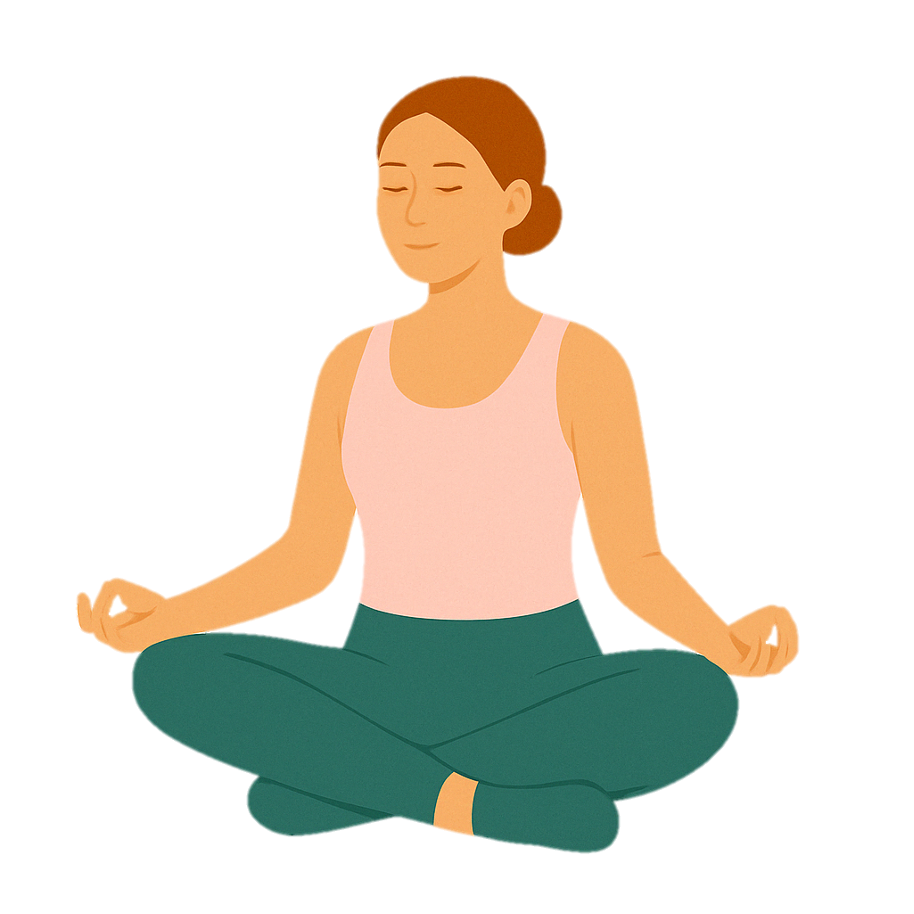
Resulted in -0.4% loss in bone density at femoral neck
Key Takeaway:
Impact-Based Movement Boosts Bone Mineral Density in Hips
The Evidence: Back Extensor Training
Title: Strong back muscles reduce the incidence of vertebral fractures (Sinaki et al.)
Type: Prospective Randomized Controlled Trial
Who: Postmenopausal Women Average Age 62 years
Size: 50 Participants
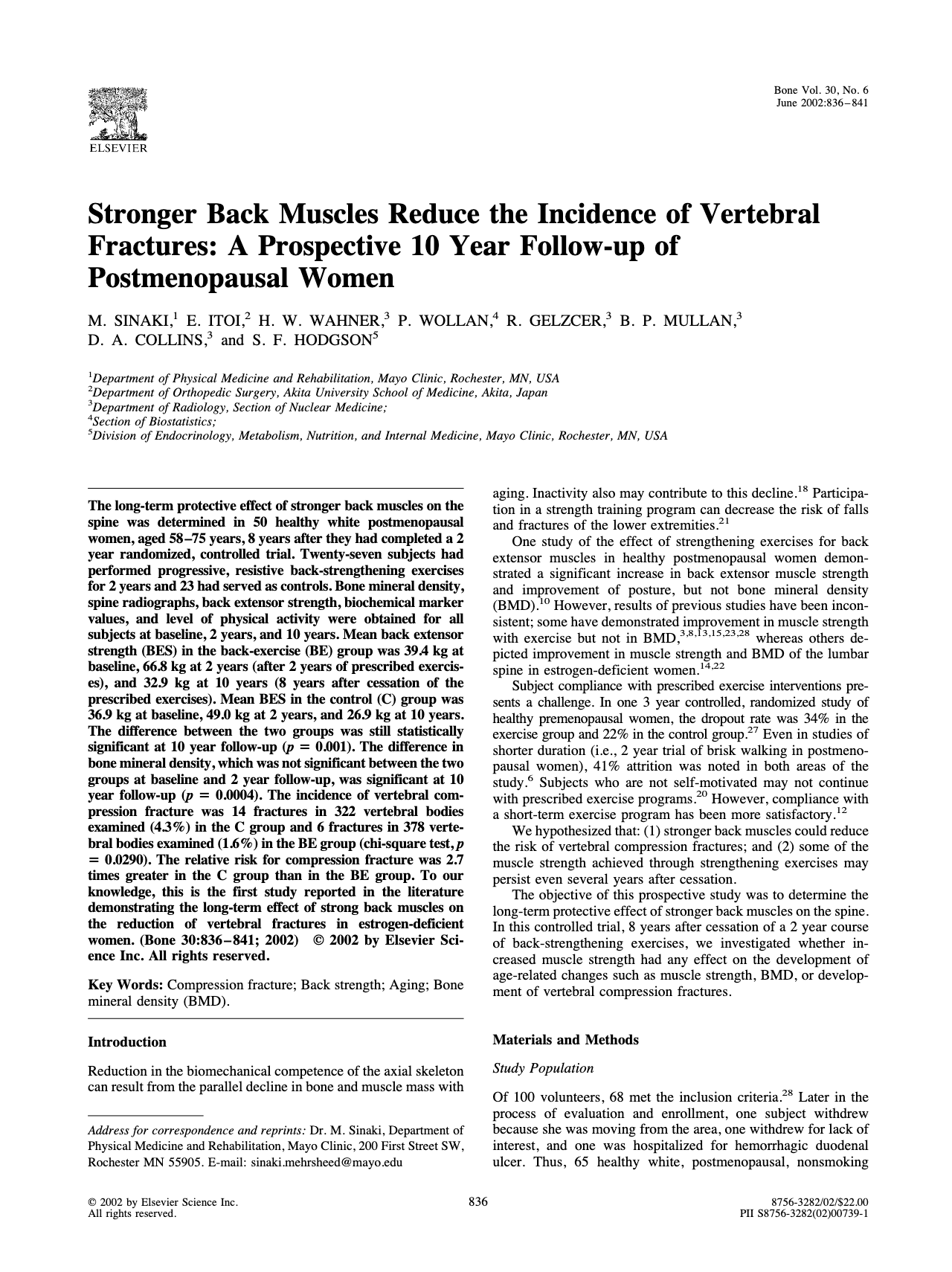
Back Extensor Strengthening
Program: 2-year strength plan with exercises targeting erector spinae and deep postural muscles

In 10-year results only 6 fractures occurred
VS.
Control Group
Program:
No Intervention
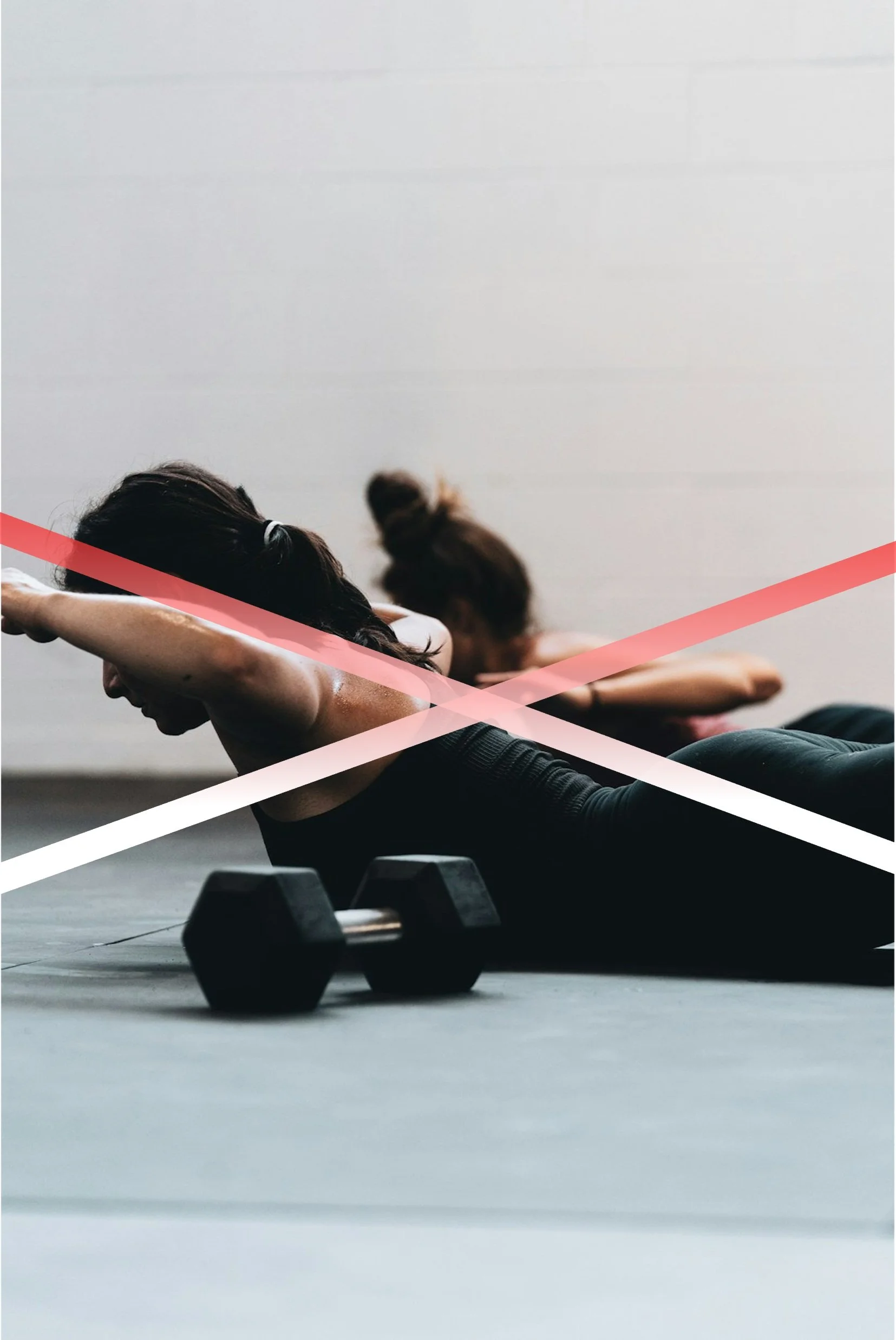
In 10-Year results 14 fractures occurred
Key Takeaway:
Stronger Spinal Muscles & Better Posture Reduces Lumbar Fracture Risk
The Evidence: Balance Training
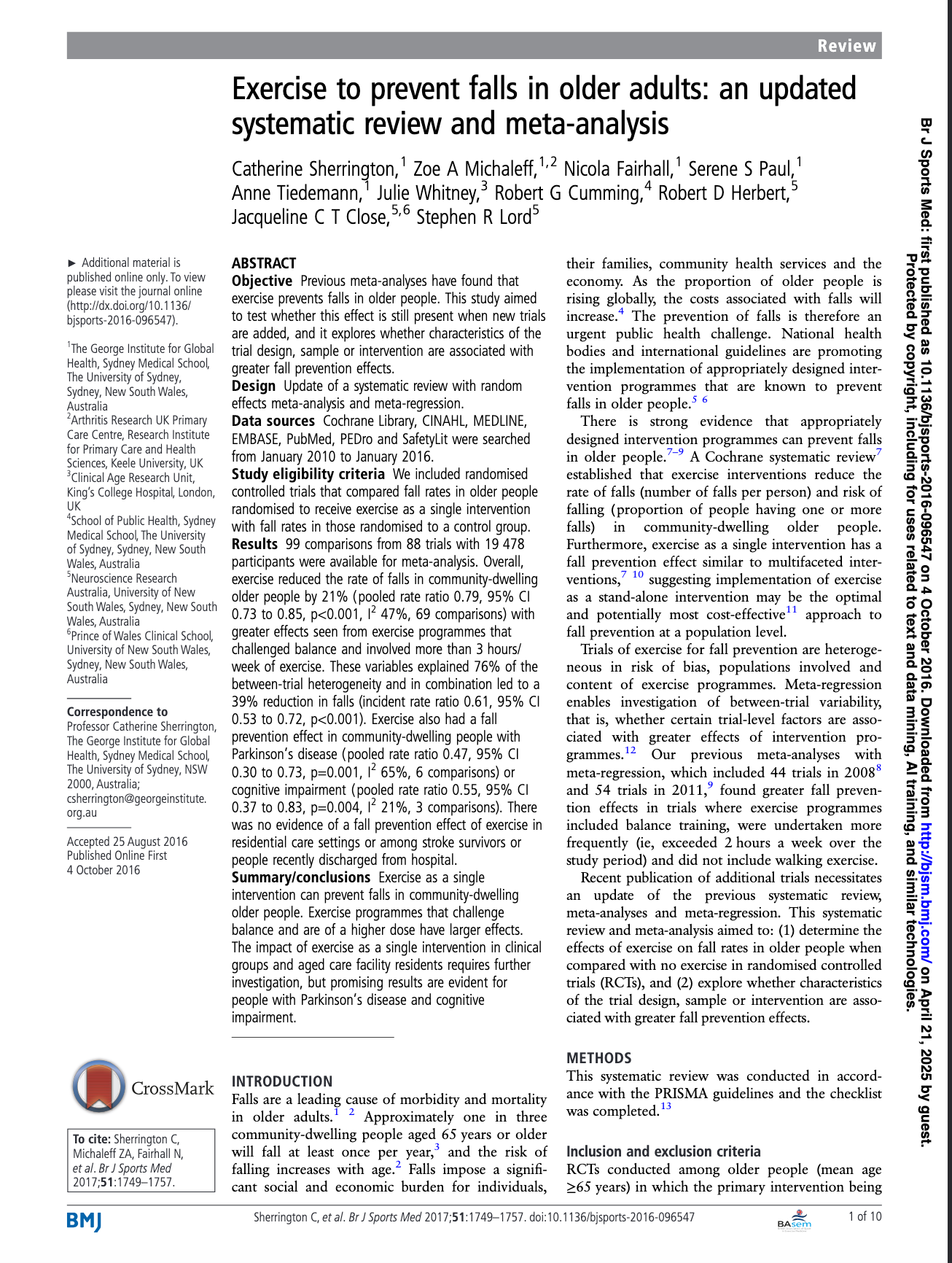
Title: Exercise to prevent falls in older adults (Sherrington et al.)
Type: Meta-Analysis of Randomized Controlled Trials
Who: Community-dwelling older adults, average age 76 years
Size: Over 26,000 participants across 54 trials
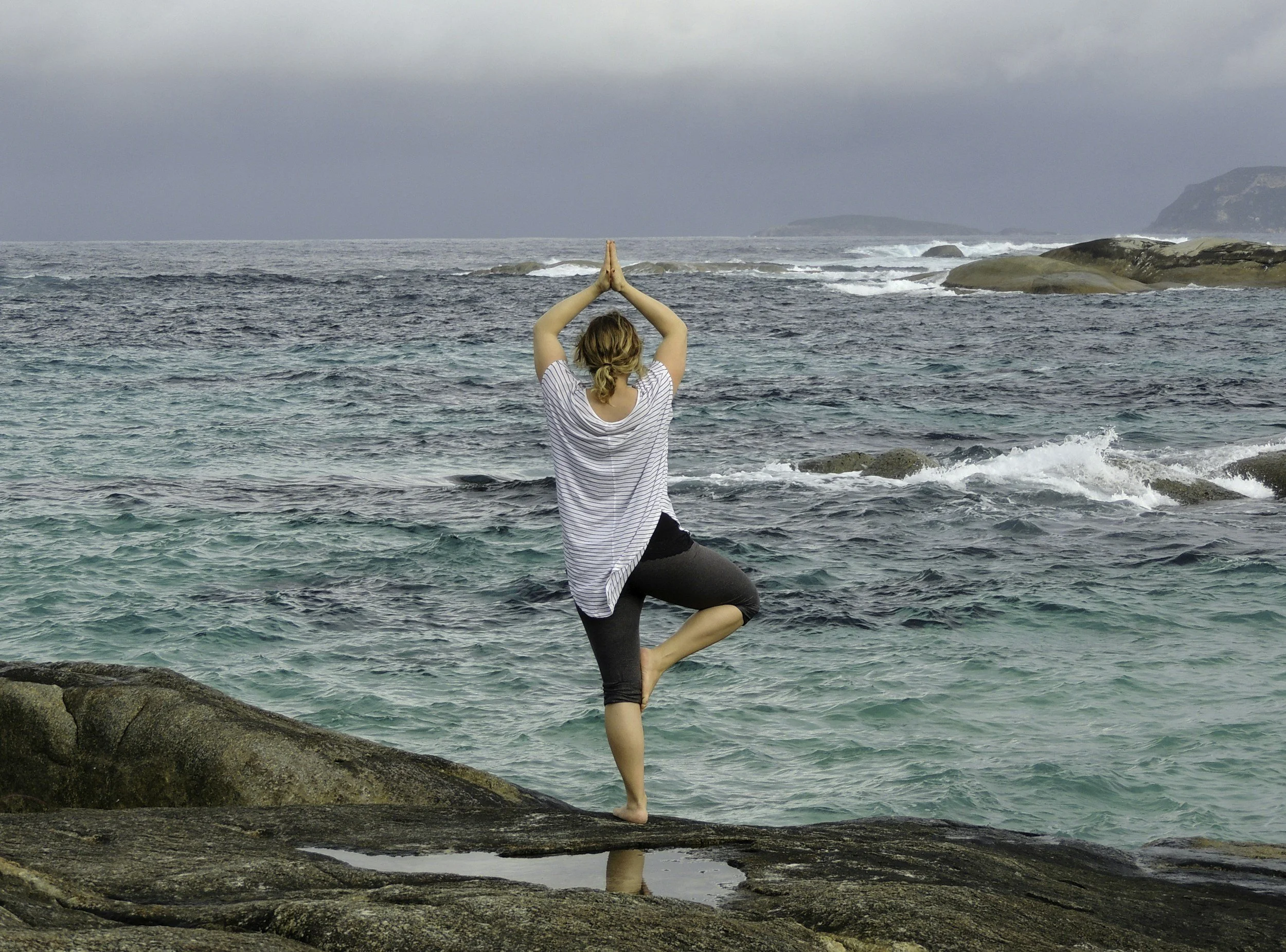
Balance Training
Most Effective Programs:
Progressively challenges balance (i.e. narrow stance, reduced hand support, weight shifts)
Ongoing intervention as part of daily routine
Fall rate reduced by up to 30% in those who performed structured balance-focused exercise.
Key Takeaway:
While Not Bone-building, Balance Training Reduces Falls & Helps Protect Your Bones
References
Watson SL et al. High-intensity resistance and impact training improves bone mineral density and physical function in postmenopausal women with osteopenia and osteoporosis: the LIFTMOR randomized controlled trial. J Bone Miner Res. 2015;30(2):340–349. https://doi.org/10.1002/jbmr.2359
Howe TE et al. Exercise for improving balance in older people. Cochrane Database Syst Rev. 2011;(7):CD000333. https://doi.org/10.1002/14651858.CD000333.pub2
Giangregorio LM et al. Exercise for improving outcomes after osteoporotic vertebral fracture. Cochrane Database Syst Rev. 2013;(1):CD008618. https://doi.org/10.1002/14651858.CD008618.pub2
Vainionpää A et al. Effects of high-impact exercise on bone mineral density: a randomized controlled trial in postmenopausal women. Osteoporos Int. 2005;16(2):191–197. https://doi.org/10.1007/s00198-004-1671-1
Sinaki M et al. Stronger back muscles reduce the incidence of vertebral fractures: a prospective 10-year follow-up of postmenopausal women. Mayo Clin Proc. 2002;77(8):821–826. https://doi.org/10.4065/77.8.821
Sherrington C et al. Exercise to prevent falls in older adults: an updated meta-analysis and best practice recommendations. BMJ. 2011;343:d2882. https://doi.org/10.1136/bmj.d2882